
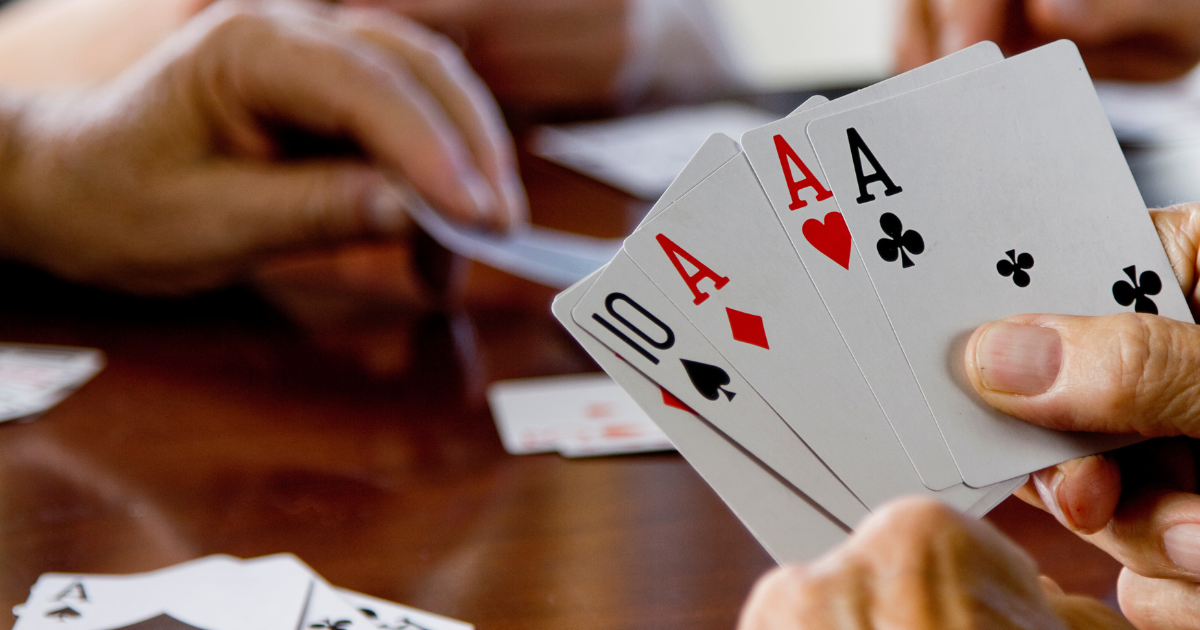
Introduction to Card Games
Card games have been a source of entertainment and mental stimulation for centuries. From family gatherings to professional tournaments, they bring together people of all ages and backgrounds. Whether you are playing a casual game at home or engaging in a competitive setting, a card game offers a mix of skill, luck and strategy. Understanding how these games evolved, their formats and their cultural influence helps players appreciate them beyond just leisure.
The History of Card Games
The origins of card games can be traced back to China during the Tang dynasty, where paper playing cards first appeared. From there, they spread across Asia and eventually into Europe by the 14th century. Early European decks featured suits that varied depending on region, eventually standardising into the spades, hearts, diamonds and clubs that are widely recognised today. Over the centuries, card games adapted to cultural preferences, creating both traditional games like whist and modern classics such as poker and rummy.
The Structure of a Deck
Most card games use the standard 52-card deck, although variations exist with jokers, tarot decks or custom formats. A standard deck is divided into four suits with thirteen ranks each. Understanding this structure is essential because different card games assign unique values to suits and ranks. For instance, in trick-taking games, certain suits may be declared as trumps, while in number-based games, ranks determine scoring potential.
Categories of Card Games
Card games are not one single genre but a collection of categories, each with its own gameplay dynamics.
Trick-Taking Games
These revolve around winning rounds by playing the highest-ranking card in a particular suit. Examples include bridge and whist. Strategy often involves memory, deduction and teamwork.
Matching Games
Here, the aim is to match pairs, sets or sequences of cards. Rummy is a prominent example where players form runs and melds.
Shedding Games
In shedding games like Uno or Crazy Eights, the goal is to be the first to play all cards in your hand. These games rely heavily on speed, awareness and tactical timing.
Casino and Gambling Games
Popular in gaming houses, these include poker, blackjack and baccarat. They combine chance with advanced probability, bluffing and psychology.
Solitaire Variants
Designed for single players, solitaire games range from the traditional Klondike to more complex formats requiring planning and foresight.
Essential Skills for Success
Playing card games well requires more than luck. Key skills include:
-
Memory and recall: Remembering which cards have been played enhances strategy.
-
Probability assessment: Estimating the likelihood of outcomes influences decision-making.
-
Bluffing and psychology: Particularly in competitive games, deceiving opponents or reading their behaviour is valuable.
-
Adaptability: Since rules vary widely, flexibility in approach is crucial.
-
Teamwork: In partnership games, coordination with a teammate can make the difference between winning and losing.
Social and Cultural Role of Card Games
Card games hold an important place in society. Families often use them as bonding activities during holidays. In pubs, clubs and community centres, they provide a social setting for interaction. Globally, they reflect cultural values; for instance, bridge is associated with analytical thinking, while rummy is seen as a casual yet competitive pastime in many regions.
Modern Digital Adaptations
The rise of technology has brought card games online, making them accessible through apps, websites and gaming platforms. Digital versions maintain traditional rules while adding features like global matchmaking and interactive tutorials. This digital shift has broadened access, allowing beginners to learn quickly and advanced players to compete internationally.
Strategy Development in Card Games
Every card game demands a balance of tactics. Here are some general strategies that apply across multiple formats:
-
Plan your hand early: Analyse your starting cards and identify possible routes to victory.
-
Observe opponents: Track their moves to deduce their strategies.
-
Manage risk: Decide when to play aggressively and when to hold back.
-
Use psychology: Feints and bluffs can push opponents into poor decisions.
-
Stay disciplined: Avoid chasing lost rounds; instead, focus on long-term advantages.
Learning Card Games Effectively
Beginners often wonder how to approach a new card game. The best method involves:
-
Reading and understanding the rules thoroughly.
-
Watching others play to see strategies in action.
-
Practising with friends or digital simulations.
-
Starting with simpler games before moving to complex formats.
-
Keeping track of personal mistakes to improve decision-making.
The Role of Card Games in Education
Beyond entertainment, card games can enhance cognitive skills. They improve numeracy, memory and logical thinking. In some schools, educators use card games to teach probability, sequencing and teamwork. The structured rules and need for planning make them effective learning tools in both formal and informal settings.
Card Games in Competitive Play
International tournaments highlight the competitive aspect of card games. Games like bridge and poker have professional circuits with ranking systems and significant prize money. This has elevated card games from casual hobbies to legitimate competitive activities, attracting sponsorships and media coverage.
The Future of Card Games
Card games will continue evolving with culture and technology. Augmented reality and virtual reality platforms may soon allow immersive card game experiences. Meanwhile, traditional physical decks will retain their charm due to their simplicity and tactile appeal. The blend of digital innovation and cultural tradition ensures card games remain relevant for future generations.
FAQs about Card Games
What is the easiest card game for beginners?
Snap and Go Fish are widely considered the simplest. They require minimal rules and can be played by children as well as adults.
How many different card games exist worldwide?
There are thousands of documented card games, with countless regional variations. Many families even create their own house rules.
Are card games purely based on luck?
No. While chance plays a role, especially in games involving shuffled decks, skill, strategy and decision-making heavily influence outcomes in most formats.
Can card games improve mental sharpness?
Yes. Regular play has been linked to better memory, enhanced problem-solving and improved concentration.
Why are card games popular in different cultures?
Their adaptability and simplicity allow them to fit seamlessly into diverse traditions. They require minimal equipment and can be played anywhere.
Is it better to play card games offline or online?
It depends on preference. Offline play offers social interaction, while online platforms provide accessibility, tutorials and opportunities to play with global communities.
