
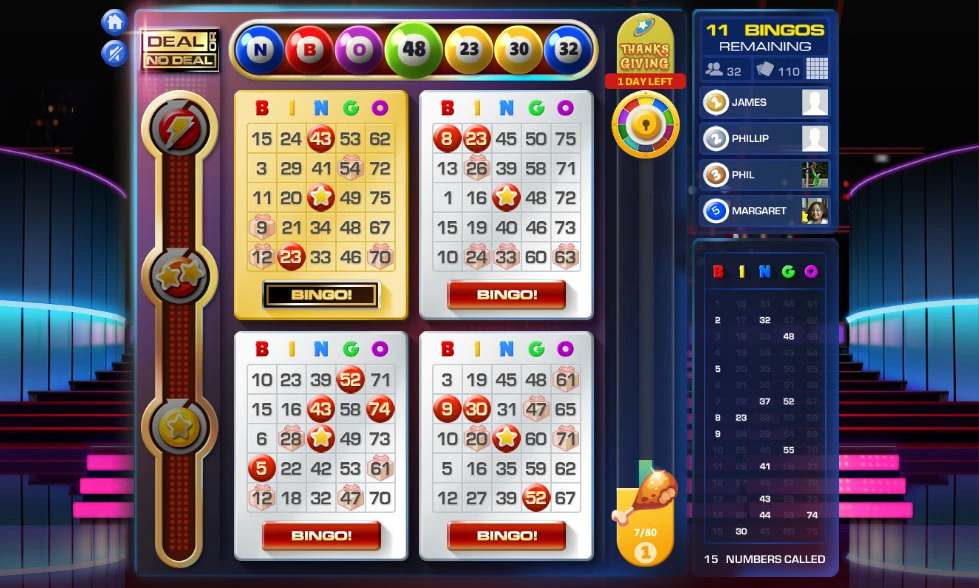
Bingo is often brushed off as a simple numbers game, where winning depends entirely on chance. While luck certainly plays a role, that assumption misses the bigger picture. Bingo has endured for generations not just because it’s easy to play, but because it blends strategy, psychology, social connection, and cognitive skill in ways many people overlook.
Below, we explore why bingo is far more layered—and rewarding—than it first appears.
The Role of Probability and Pattern Recognition
At its core, bingo is built on mathematical probability, not blind randomness. Each number drawn alters the odds for every remaining card.
Players who understand:
-
Number distribution
-
Card density
-
Pattern frequency
can make more informed decisions, especially when choosing how many cards to play or which game formats to join.
While you can’t control the draw, you can control how effectively you track and respond to it.
Strategic Decisions Matter More Than You Think
Contrary to popular belief, bingo involves several strategic choices, including:
-
Selecting games with fewer players to improve winning odds
-
Managing the number of cards played to balance focus and coverage
-
Choosing off-peak sessions where competition is lower
These decisions don’t guarantee a win, but they meaningfully influence outcomes over time.
Mental Agility and Focus Are Key Skills
Bingo sharpens the mind in subtle but powerful ways. Regular players often develop:
-
Improved concentration
-
Faster visual scanning
-
Stronger short-term memory
Keeping track of multiple cards, recognizing patterns quickly, and avoiding missed numbers requires mental discipline—especially in fast-paced games.
Social Interaction Is Central to the Experience
One of bingo’s greatest strengths is its social dimension. Whether played in a hall or online, bingo fosters:
-
Community bonding
-
Friendly competition
-
Stress relief through shared excitement
For many players, the emotional reward of participation outweighs the prize money.
Emotional Intelligence and Self-Control
Winning at bingo isn’t just about numbers—it’s also about emotional management. Experienced players learn to:
-
Stay calm after near-misses
-
Avoid impulsive decisions
-
Set clear spending and time limits
This level of self-regulation turns bingo into an exercise in discipline, not recklessness.
Adaptability in Modern Bingo Formats
Modern bingo has evolved far beyond traditional halls. Online platforms introduce:
-
New game mechanics
-
Variable card speeds
-
Bonus rounds and side games
Players who adapt quickly and learn these systems gain an edge—not through luck, but through learning and flexibility.
Why Bingo’s Appeal Endures
Bingo continues to thrive because it offers a rare mix of:
-
Accessibility for beginners
-
Depth for experienced players
-
Entertainment beyond monetary rewards
It’s easy to start, but surprisingly difficult to master.
FAQs
Is bingo purely a game of chance?
No. While chance determines the numbers drawn, strategy, focus, and probability awareness influence overall success.
Can playing more cards improve winning chances?
Yes, but only up to a point. More cards increase coverage, but too many reduce accuracy and focus.
Does online bingo reduce the skill factor?
Not at all. Online bingo adds speed, pattern variation, and platform-specific strategies that require adaptation.
Why do experienced players seem to win more often?
They understand game selection, timing, and bankroll control, which improves long-term results.
Is bingo good for mental health?
Yes. Bingo promotes cognitive stimulation, social interaction, and stress reduction when played responsibly.
Are certain bingo games better for beginners?
Games with slower number calls and fewer players are typically easier for new players to manage.
Can bingo help improve concentration skills?
Absolutely. Regular play enhances attention span, pattern recognition, and quick decision-making.
