
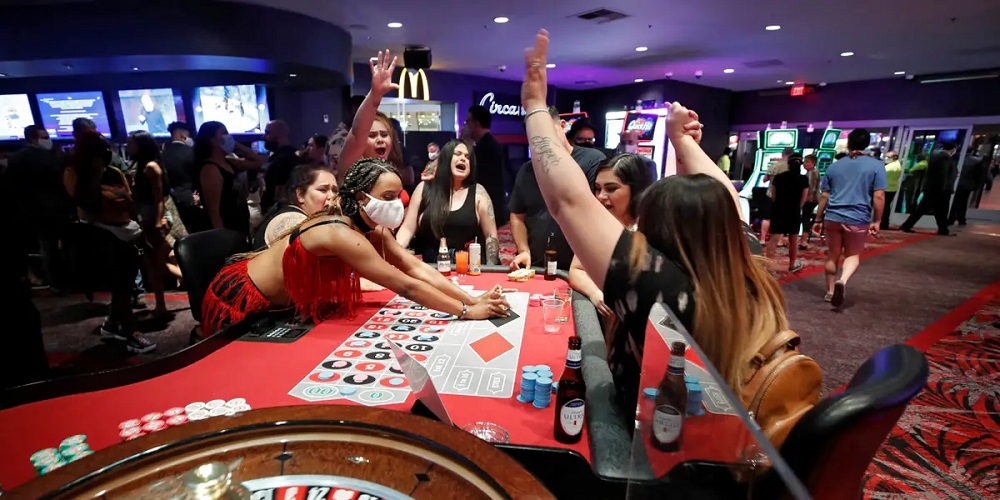
Casinos are not just venues for games of chance; they are carefully engineered environments designed to capture attention, sustain interest, and encourage repeat play. Behind the flashing lights and lively atmosphere lies a sophisticated application of psychological principles that influence how players think, feel, and behave. Understanding these mechanisms reveals why casinos are so effective at keeping players engaged for long periods of time.
The Role of Reward Systems in Player Motivation
At the heart of casino engagement is the psychology of rewards and reinforcement. Casino games rely heavily on variable reward schedules, a concept rooted in behavioral psychology.
-
Wins are delivered unpredictably, which heightens excitement and anticipation
-
Near-misses stimulate the brain similarly to actual wins
-
Randomized rewards increase dopamine release, reinforcing continued play
This uncertainty keeps players motivated, as the next spin or hand always feels like it could be the winning one.
Sensory Stimulation and Environmental Design
Casinos are meticulously designed to overwhelm the senses in a positive way. Every detail serves a psychological purpose.
-
Bright colors and dynamic lighting maintain visual engagement
-
Background music and ambient sounds create emotional arousal
-
Comfortable seating and climate control reduce physical discomfort
By minimizing distractions such as clocks and windows, casinos subtly encourage players to lose track of time, allowing sessions to extend naturally.
The Illusion of Control and Player Confidence
Many casino games give players the feeling that their choices matter, even when outcomes are largely random. This illusion of control boosts confidence and involvement.
Examples include:
-
Choosing when to stop a slot machine spin
-
Deciding which cards to hold in video poker
-
Selecting numbers or betting patterns
These small decisions create a sense of agency, making players feel more invested in the outcome.
Social Influence and Group Dynamics
Human behavior is strongly influenced by social context, and casinos leverage this effectively.
-
Crowded gaming areas signal popularity and excitement
-
Public wins encourage others to join in
-
Social games foster competition and camaraderie
Seeing others win, celebrate, or continue playing reinforces the belief that success is attainable, even if the odds remain unchanged.
Personalization and Loyalty Programs
Modern casinos use data-driven personalization to deepen engagement. Loyalty programs are a powerful psychological tool.
-
Players receive customized rewards based on play history
-
Tiered membership systems create status motivation
-
Exclusive offers trigger a sense of belonging and recognition
These incentives appeal to both emotional and rational decision-making, encouraging repeat visits and longer play sessions.
Emotional Triggers and Escapism
For many players, casinos offer more than entertainment; they provide an escape from daily stress. The immersive environment allows players to focus on the present moment.
Common emotional drivers include:
-
Stress relief through distraction
-
Excitement and novelty
-
Temporary suspension of real-world concerns
This emotional engagement can be as compelling as the prospect of winning money.
Responsible Design and Ethical Considerations
While casino psychology is effective, it also raises ethical questions. Increasingly, operators are balancing engagement with responsibility.
-
Self-exclusion tools empower players to manage behavior
-
Spending and time alerts promote awareness
-
Transparent odds help informed decision-making
Understanding the psychology behind engagement can help players make more conscious choices and enjoy casino gaming responsibly.
Frequently Asked Questions (FAQ)
1. Why do casinos feel more exciting than other entertainment venues?
Casinos combine sensory stimulation, social energy, and unpredictable rewards, which together heighten emotional arousal and excitement.
2. What makes slot machines so addictive for some players?
Slot machines use variable rewards, rapid play cycles, and near-miss outcomes that strongly activate the brain’s reward system.
3. Do casino layouts really affect how long people play?
Yes, layouts are designed to reduce awareness of time and create smooth movement between games, encouraging longer stays.
4. How do loyalty programs influence player behavior?
They tap into psychological needs for recognition, progress, and exclusivity, motivating repeat visits and continued play.
5. Is the illusion of control unique to casino games?
No, it appears in many areas of life, but casinos deliberately incorporate it to increase player engagement.
6. Can understanding casino psychology help players gamble responsibly?
Absolutely. Awareness of these techniques allows players to recognize triggers and set healthier boundaries.
7. Are online casinos using the same psychological principles as physical casinos?
Yes, online platforms apply similar reward systems, personalization, and visual design, adapted for digital environments.
