
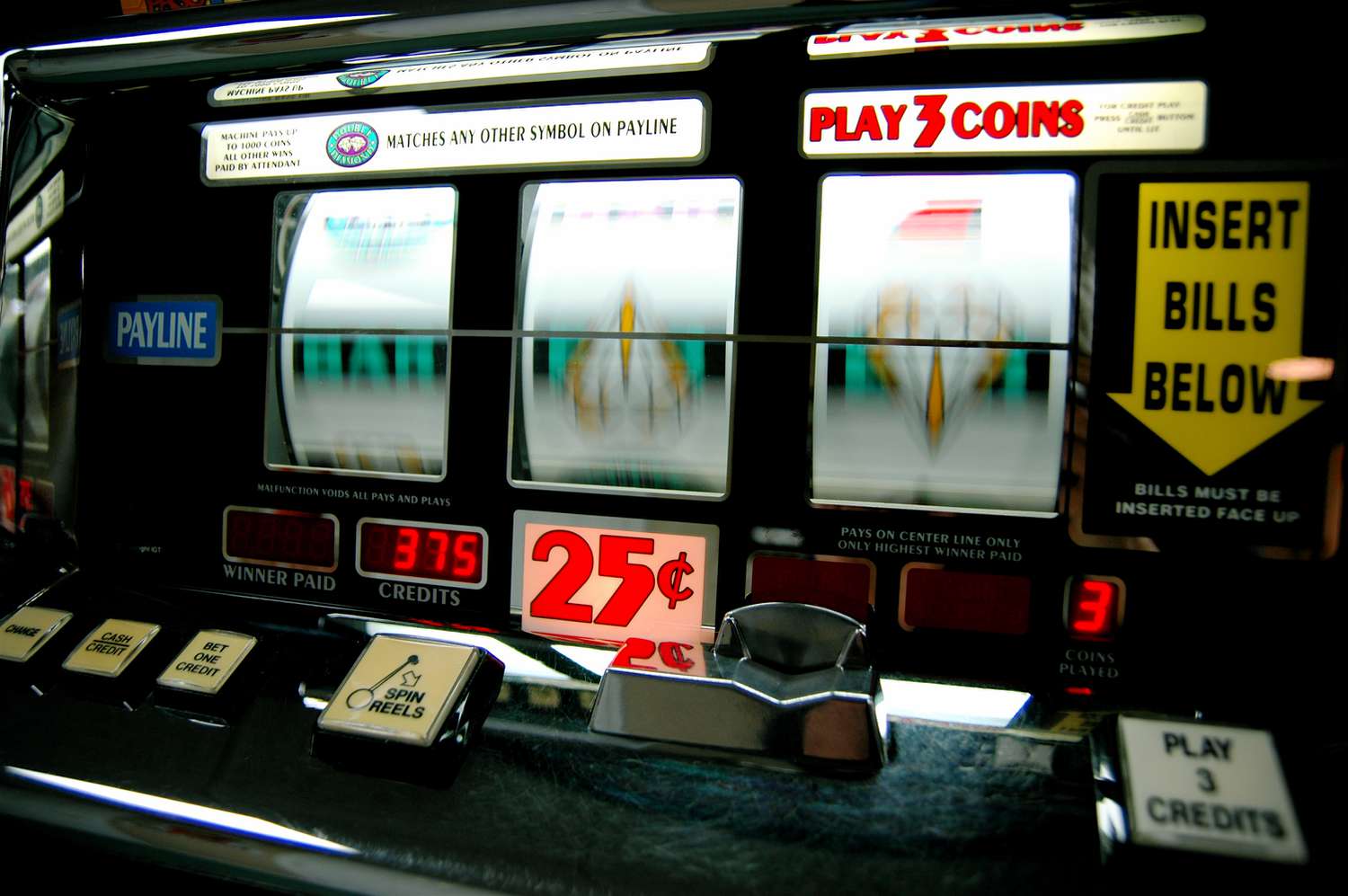
Online and land-based slot machines feel simple on the surface—press a button, watch the reels spin, hope for a win. Behind that simplicity sits a powerful piece of math and software called a Random Number Generator (RNG). RNGs are the backbone of slot fairness, ensuring outcomes are unpredictable, unbiased, and consistent for every player, every spin.
Understanding how RNGs work helps separate myths from reality and gives players confidence that modern slots aren’t “rigged,” but carefully regulated games of chance.
What Is a Random Number Generator in Slots?
A Random Number Generator is an algorithm that continuously produces sequences of numbers with no predictable pattern. In slot machines, these numbers determine where each reel stops.
Key characteristics of slot RNGs include:
-
Continuous operation even when no one is playing
-
Extremely high speed, often generating thousands of numbers per second
-
Mathematical randomness, not influenced by previous spins or player behavior
Each spin simply captures the latest number generated and translates it into reel positions.
How RNGs Actually Determine Slot Outcomes
Contrary to popular belief, the reels you see spinning are mostly visual. The outcome is decided the instant you press “spin.”
Here’s how the process works step by step:
-
The RNG selects a random number at the moment of the spin
-
That number maps to a specific reel combination
-
The software displays the matching symbols on screen
-
Payouts are awarded based on the game’s paytable
Because the RNG never “remembers” past results, every spin is statistically independent.
Why RNGs Are Essential for Slot Fairness
Without RNGs, slot outcomes could be manipulated or predicted. RNGs prevent this by enforcing three pillars of fairness:
-
Unpredictability
No player or casino can foresee the next result -
Consistency
The same rules apply to every spin, for every player -
Impartiality
Bets, timing, or win history do not affect outcomes
This design ensures that a spin after a big jackpot has the exact same odds as a spin before it.
The Role of Return to Player (RTP) and RNGs
RNGs work hand in hand with Return to Player (RTP) percentages. RTP represents the theoretical amount a slot pays back to players over millions of spins.
Important points to understand:
-
RTP is a long-term statistical average, not a short-term guarantee
-
RNGs ensure results fluctuate naturally around the RTP value
-
Short sessions may feel “lucky” or “cold,” but balance out over time
An RNG doesn’t adjust outcomes to meet RTP—it simply allows probability to play out fairly.
Are Online Slots More Fair Than Physical Machines?
Both online and land-based slots rely on RNGs, but online slots often offer greater transparency.
Reasons include:
-
Independent testing labs regularly audit online RNGs
-
Software updates are logged and monitored
-
Regulatory bodies enforce strict compliance standards
Physical machines are shown to regulators during inspections, while online systems can be tested remotely and more frequently.
How RNGs Are Tested and Certified
To protect players, reputable casinos submit their games to third-party testing agencies. These organizations verify that RNGs behave as claimed.
Certification typically checks:
-
Statistical randomness of number sequences
-
Absence of patterns or bias
-
Alignment between RNG output and published odds
Only games that pass these evaluations are approved for licensed casinos.
Common Myths About Slot RNGs
Many misconceptions persist around how slots work. Let’s clear up a few.
-
“Slots are due for a win”
False. RNGs reset probabilities on every spin. -
“Bet size changes outcomes”
The RNG outcome is fixed before bet size affects payout. -
“Timing the spin helps”
RNGs move too fast for timing to matter.
Understanding RNGs helps players enjoy slots for what they are: entertainment with transparent odds.
Visual Insight: RNGs and Slot Mechanics
These visuals show how invisible RNG calculations translate into the familiar spinning reels and symbols.
Why RNG Transparency Builds Player Trust
Trust is critical in gambling environments. RNG-based systems allow players to verify that:
-
Games are not manually controlled
-
Casinos cannot selectively influence wins or losses
-
Odds are consistent with published game information
This transparency is why regulated markets require RNG disclosure and certification.
FAQ
How often does a slot RNG generate numbers?
Most slot RNGs generate thousands of numbers per second, even when no one is playing.
Can casinos change RNG outcomes in real time?
Licensed casinos cannot legally alter RNG behavior without regulatory approval and retesting.
Do progressive jackpots use the same RNG system?
Yes, progressive slots still rely on RNGs, with a portion of each bet contributing to the jackpot pool.
Is a higher RTP slot always better?
Higher RTP generally favors players long-term, but volatility also affects short-term experience.
Can players verify if a slot uses a real RNG?
Reputable casinos list game certifications and testing agencies on their websites.
Are free demo slots using the same RNG?
Most demos use the same RNG logic but without real money payouts.
Do RNGs differ between game providers?
Yes, algorithms vary by provider, but all licensed RNGs must meet strict randomness standards.
